McGraw Hill Connect is a digital learning platform used in academic settings to support teaching and learning. It provides online access to course materials, assessments, and learning tools that complement classroom instruction.
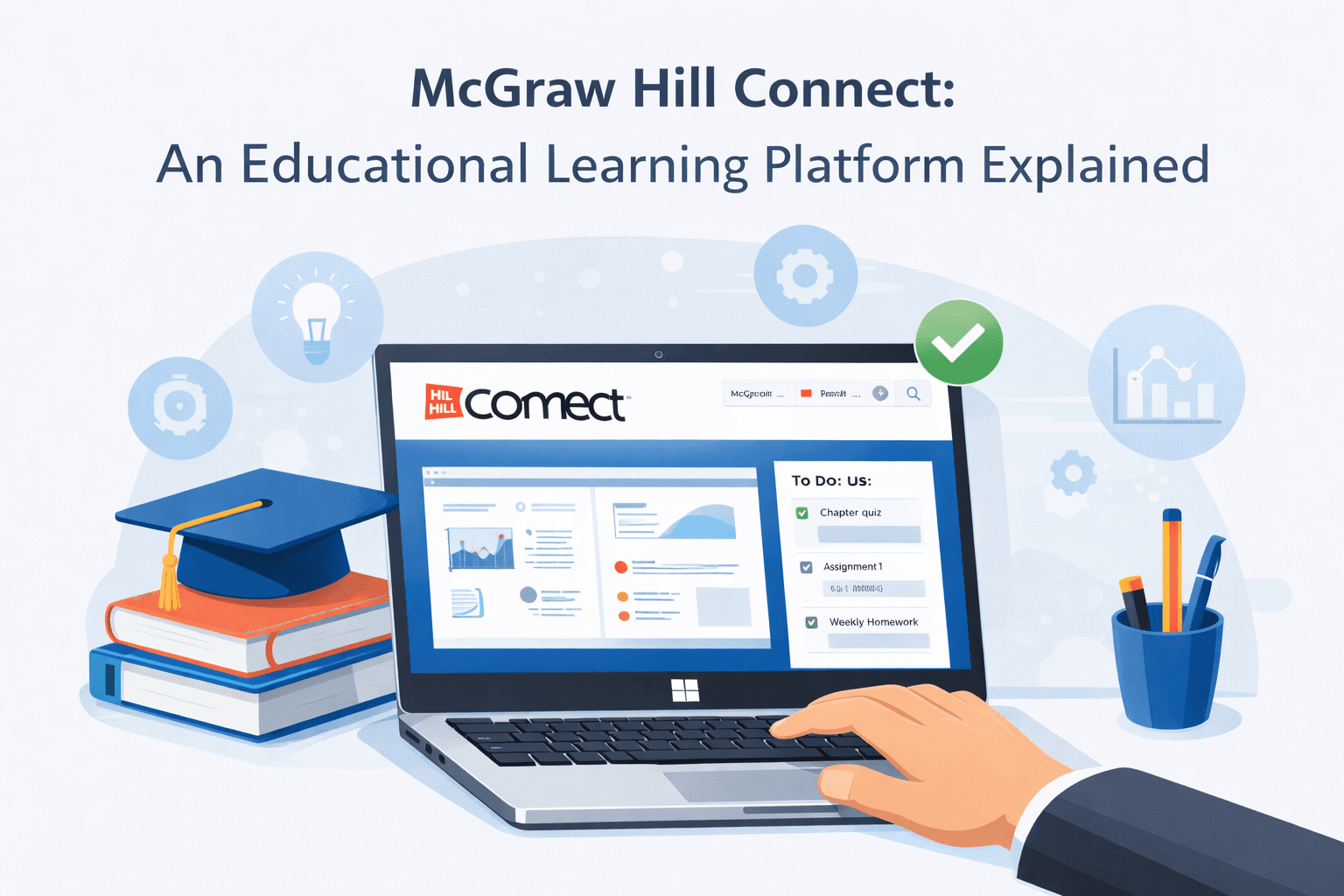
This article explains what the platform is, how it works, and why it is used by students and educators.
What Is McGraw Hill Connect?
McGraw Hill Connect is an online educational system designed to help manage coursework and learning activities. It is commonly used in schools, colleges, and universities to deliver assignments, quizzes, and study resources in a structured digital format.
The platform is typically linked to specific courses and textbooks, allowing learners to access materials in one place.
How McGraw Hill Connect Works
The platform operates through a web-based interface where users log in with assigned credentials. Once logged in, users can access course-specific content provided by instructors.
The system generally allows:
- Viewing assigned learning materials
- Completing online assignments
- Submitting coursework digitally
- Receiving automated or instructor feedback
This structure supports both in-person and remote learning environments.
Key Learning Features Explained
McGraw Hill Connect includes features designed to support learning efficiency and organization.
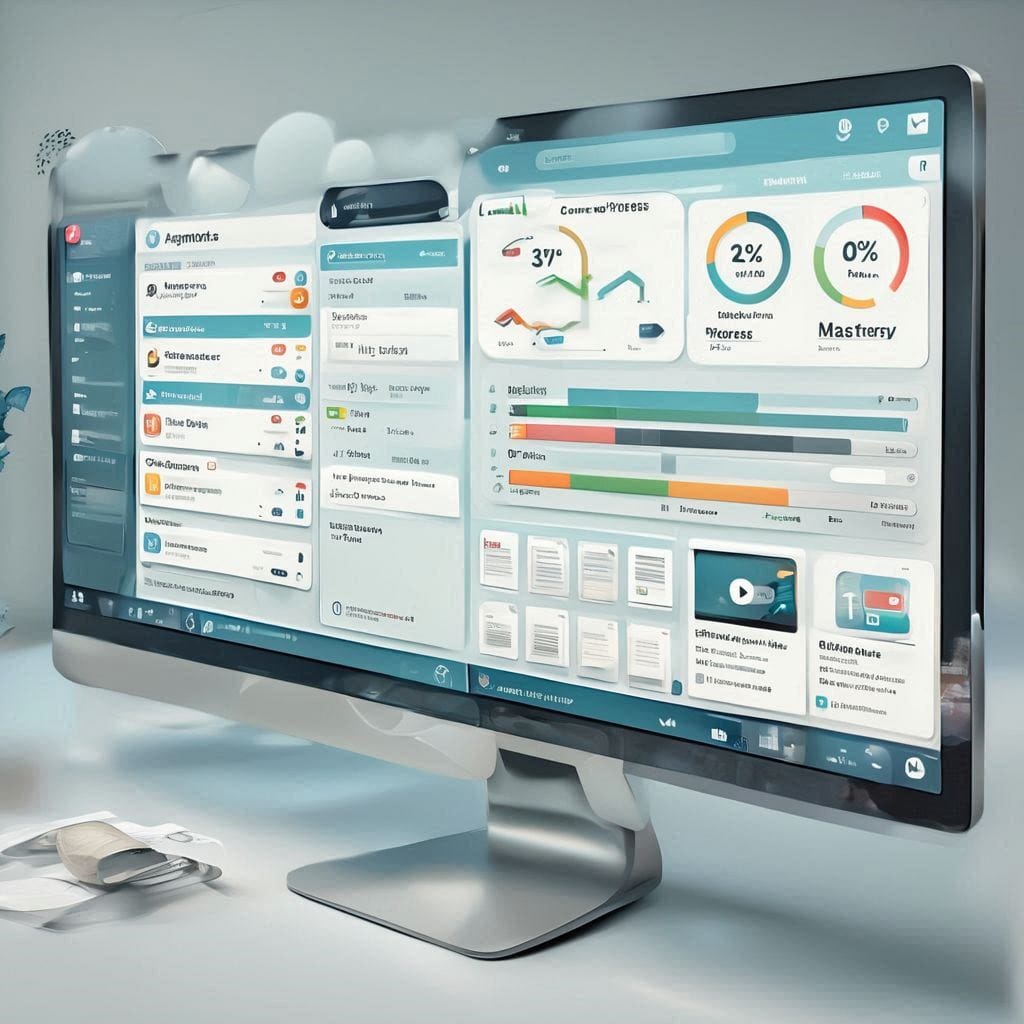
Digital Assignments and Assessments
Assignments are delivered online and may include quizzes, exercises, or interactive tasks. These help reinforce concepts covered in class.
Progress Tracking
The platform tracks completion status and performance, helping learners understand their progress over time.
Integrated Learning Resources
Course materials such as readings, practice questions, and supplementary content are organized within the course layout.
Why Educational Platforms Like McGraw Hill Connect Matter
Digital learning platforms play an important role in modern education by:
Centralizing course materials
Supporting flexible learning schedules
Reducing paper-based assignments
Allowing structured progress monitoring
They help institutions manage coursework efficiently while giving learners consistent access to resources.
Who Uses McGraw Hill Connect?
The platform is used by:

Students enrolled in supported courses
Educators managing digital coursework
Academic institutions supporting blended or online learning
It is commonly applied in higher education but may also be used in other learning environments.
Impact on Students and Educators
Student Impact
For students, platforms like this offer:
Easy access to assignments
Clear deadlines and instructions
Immediate feedback in some assessments
This can improve organization and time management.
Educator Impact
For educators, digital platforms help:
Manage coursework centrally
Monitor student participation
Streamline grading and feedback
This supports more efficient course administration.
Common Challenges Users May Experience

Some users may face challenges such as:
Difficulty accessing accounts
Internet connectivity limitations
Adjusting to online learning tools
These challenges are common across many digital learning platforms and are often addressed through institutional support.
Frequently Asked Questions (McGraw Hill Connect)
Is McGraw Hill Connect an online-only learning system?
It is primarily online but often complements in-person or hybrid courses.
Can coursework be completed on different devices?
The platform is web-based and generally accessible on multiple devices with internet access.
Does it replace traditional teaching?
No, it is designed to support and enhance instruction, not replace educators.
Is progress tracked automatically?
Many activities include built-in tracking, depending on course setup.
Public and Educational Impact
Digital learning platforms like McGraw Hill Connect support wider access to education by enabling structured online learning. They are particularly useful in large academic institutions and distance-learning programs, helping standardize coursework delivery and assessment.
McGraw Hill Connect Guidance 2026:
McGraw Hill Connect represents a broader shift toward digital learning tools in education. By organizing course materials, assignments, and assessments in one system, it supports structured learning experiences for students and educators alike. Understanding how such platforms work helps users adapt more effectively to modern educational environments.